How AI is Transforming Industrial Safety Monitoring
Industrial facilities face mounting complexity while safety standards grow increasingly stringent. Traditional safety protocols—manual inspections, periodic audits, and human supervision—have inherent limitations. Human observers monitor limited areas, fatigue diminishes alertness, and critical hazards often escape notice until incidents occur. Artificial intelligence is fundamentally changing industrial safety monitoring by enabling continuous, automated surveillance that operates without human constraints.
Understanding Traditional Safety Gaps
Traditional industrial safety relies heavily on reactive measures. Safety supervisors conduct regular walkthroughs, checking personal protective equipment compliance and identifying potential hazards. However, these inspections are snapshots in time. Between rounds, countless situations can develop—employees entering restricted zones without proper gear, equipment beginning to overheat, or hazardous gases accumulating in poorly ventilated areas.
AI-Powered Vision Systems for Workplace Safety

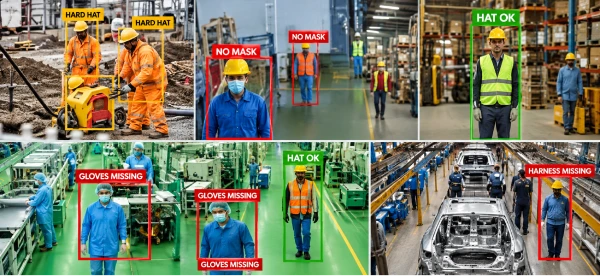
Computer vision systems equipped with machine learning algorithms continuously monitor personal protective equipment usage and worker behaviour. These industrial safety monitoring systems analyse video feeds in real-time, identifying hard hats, safety glasses, gloves, and high-visibility vests. Advanced implementations include head count monitoring systems that track personnel in restricted areas, preventing overcrowding and ensuring emergency evacuation readiness.
When detecting non-compliance, systems immediately alert supervisors or prevent access through automated boom barriers and access control mechanisms. Safety interlock switches and emergency stop systems provide additional layers of protection, preventing dangerous operations when safety conditions aren’t met. Auto-sensing cameras at facility entry points identify authorized personnel while detecting intrusions, creating comprehensive perimeter security.
The technology also maintains detailed logs useful for regulatory compliance and incident investigation. Safety assessment solutions help organizations conduct thorough audits, identifying vulnerabilities across entire facilities.
Thermal Intelligence for Predictive Maintenance
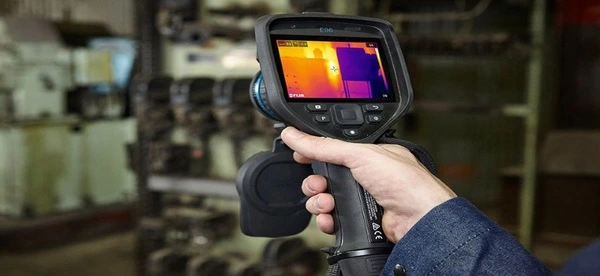
Equipment failures represent significant sources of industrial accidents. Thermal imaging technology has evolved from diagnostic tools to continuous monitoring systems. Online thermal imagers and radiation pyrometers continuously scan critical equipment, establishing baseline thermal signatures for normal operation. Hot spot infrared systems for conveyor belts detect friction and wear before failures occur, while online wireless panel temperature monitoring prevents electrical hazards.
Machine learning algorithms analyse thermal patterns, detecting subtle temperature changes indicating bearing degradation, electrical faults, or pump abnormalities weeks before failure. Furnace gas temperature measurement systems and flame detection technology ensure combustion processes remain within safe parameters. This proactive approach prevents accidents while reducing unplanned downtime significantly.
Comprehensive Environmental Monitoring
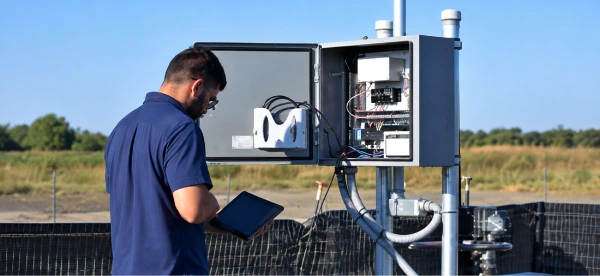
Many industrial environments contain invisible threats: toxic gases, hazardous particulate matter, excessive noise, or dangerous radiation. Modern environmental monitoring integrates sensor networks with AI analytics, continuously measuring air quality through ambient air quality monitoring systems that detect PM2.5, PM10, sulphur dioxide, nitrogen oxides, carbon monoxide, and volatile organic compounds.
Continuous emission monitoring systems (CEMS) track SO₂, NOₓ, CO, CO₂, and O₂ levels in stack emissions, while online stack dust monitors measure particulate concentrations. Gas sampling systems collect precise measurements for analysis, and portable multi-gas detectors provide mobile monitoring capabilities. When concentrations approach dangerous levels, systems activate ventilation, trigger alarms through emergency response displays, and initiate automated shutdowns.
Water quality monitoring includes effluent monitoring systems measuring COD, BOD, TSS, TDS, and pH levels with automatic data transmission to CPCB servers. Online water quality analysers track multiple parameters including turbidity, chlorine, dissolved oxygen, and conductivity. TOC analysers and phosphorus-nitrogen analysers ensure comprehensive contamination detection.
Advanced Conveyor Safety Systems
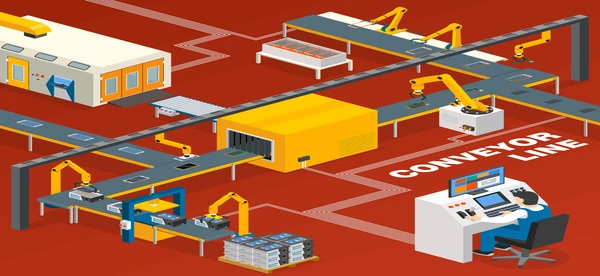
Conveyor operations present unique hazards requiring specialized monitoring. Safety pull cord switches with cord breakage detection and addressing systems provide emergency shutdown capabilities along entire conveyor lengths. Belt alignment switches prevent misalignment damage, while zero-speed switches detect operational failures. Motion sensors and acoustic sensors monitor mechanical conditions, identifying developing problems through vibration and sound analysis.
Process Automation for Integrated Safety
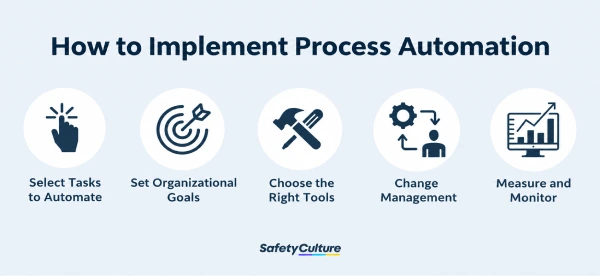
The most effective implementations integrate multiple technologies into comprehensive safety ecosystems. Industrial automation through PLC-SCADA systems incorporates safety monitoring directly into operational control. Smart positioners, control valves with actuators, and pressure-reducing systems maintain safe operating parameters automatically.
Level control systems, flow measurement through electromagnetic and ultrasonic flowmeters, and pressure transmitters provide continuous parameter monitoring. When detecting hazardous conditions, integrated systems automatically shut down affected sections, activate safety barriers, alert emergency responders, and prevent personnel access—all within seconds.
Precision Instrumentation Foundation
All AI-powered industrial safety systems depend on accurate, reliable data from precision instrumentation. Radar and ultrasonic level transmitters, temperature transmitters, smart positioners, and numerous sensors monitoring pressure, flow, and chemical composition provide the foundation for effective safety monitoring.
Solid flow meters using LVDT or load cell technology, belt scales with speed sensors, and weighing controllers ensure material handling remains within safe parameters. Industrial communication infrastructure through manifold adapters, SS fittings, and digital displays creates robust data networks.
Material science instrumentation including spectrometers for metal testing, XRF analysers, and testing machines ensures product quality meets safety standards. Calibration samples maintain instrument accuracy over time.
Future of Industrial Safety Monitoring
Modern machine learning approaches allow systems to learn from operational data, improving performance over time. Edge computing brings processing closer to sensors, enabling faster response times. Safety light curtains, safety mats, and safety guarding systems create physical barriers enhanced by intelligent monitoring.
Specialized applications continue expanding—mist cannons for dust suppression, groundwater flow loggers for environmental protection, and breath alcohol analysers for workplace screening. Environmental parameter display boards provide public visibility of safety conditions, promoting transparency and accountability.
Ready to Transform Your Industrial Safety?
Don’t wait for an incident to expose gaps in your safety monitoring. Contact Sharp Control today to discuss how AI-powered safety solutions can protect your workforce, ensure regulatory compliance, and prevent costly accidents. Our team of experts will assess your facility’s unique needs and design a comprehensive safety monitoring system tailored to your operations.
Get in touch: Visit sharpcontrol.in or call us to schedule a consultation and take the first step toward a safer, smarter industrial facility.