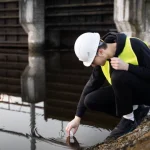
Understanding the Shift Toward Automated Water Quality Management
Industrial facilities, municipalities, and water treatment plants face mounting pressure to maintain consistent water quality standards while managing operational costs. Traditional manual sampling methods require significant labor hours, introduce human error, and often fail to detect contamination events in real time. Automated water quality monitoring systems address these challenges by providing continuous surveillance, immediate alerts, and comprehensive data logging that supports regulatory compliance.
The transition from periodic manual testing to continuous automated monitoring represents a fundamental change in how organizations approach water quality management. This shift enables facilities to detect anomalies within minutes rather than hours or days, preventing costly shutdowns and protecting public health.
Time-Saving Benefits of Automation in Water Quality Testing
Elimination of Manual Sampling Routines
Automated systems eliminate the need for technicians to collect samples at multiple locations throughout a facility. Sensors deployed at strategic points continuously measure parameters such as pH, turbidity, dissolved oxygen, conductivity, and temperature. This continuous operation means personnel can focus on analysis and decision-making rather than repetitive collection tasks.
A facility that previously required three technicians to conduct daily sampling across 15 points can reallocate those resources to more strategic activities. The time savings compound when considering sample transportation, laboratory preparation, and result compilation.
Real-Time Data Analysis and Trending

Modern monitoring platforms process data instantaneously, identifying trends and deviations without manual calculation. Automated algorithms detect subtle changes in water quality parameters that might escape notice during periodic checks. This immediate analysis accelerates response times when corrective action becomes necessary.
Historical data visualization tools enable operators to identify patterns across weeks or months, supporting predictive maintenance and process optimization. What once required hours of spreadsheet analysis now happens automatically in the background.
Streamlined Reporting and Documentation

Automated systems generate compliance reports with minimal human intervention. Data flows directly from sensors into structured formats that align with regulatory requirements. This automation reduces the administrative burden associated with demonstrating compliance during audits.
Ensuring Regulatory Compliance Through Continuous Monitoring
Meeting Stringent Water Quality Standards

Environmental regulations demand consistent adherence to specific water quality thresholds. Automated monitoring ensures facilities never miss a measurement interval, creating complete data records that satisfy regulatory documentation requirements. Continuous monitoring provides defensible evidence of compliance during inspections.
The pharmaceutical, food processing, and chemical manufacturing sectors face particularly strict standards. Automated systems help these industries maintain the tight tolerances required by their respective regulatory bodies.
Rapid Response to Excursions

When water quality parameters drift outside acceptable ranges, automated systems trigger immediate notifications through multiple channels including email, SMS, and dashboard alerts. This rapid notification enables operators to investigate and correct issues before they escalate into violations or production disruptions.
The ability to document corrective actions with timestamp accuracy strengthens a facility’s compliance posture. Automated logs show not only when an excursion occurred but also how quickly the organization responded.
Audit Readiness and Data Integrity

Regulatory audits require extensive documentation proving consistent monitoring and rapid response to quality issues. Automated systems maintain tamper-evident records with complete chain of custody information. Data encryption and access controls ensure information integrity, addressing concerns about manual record modification.
Critical Implementation Considerations for Industrial Applications
Sensor Selection and Placement Strategy

Successful deployment requires careful evaluation of which parameters need monitoring and where sensors provide the most valuable data. Critical control points, discharge locations, and process inputs typically warrant priority instrumentation. Facilities must balance comprehensive coverage against installation and maintenance costs.
Integration With Existing Infrastructure

Modern monitoring platforms connect with supervisory control and data acquisition (SCADA) systems, building management systems, and enterprise resource planning (ERP) software. This integration creates unified visibility across operations, enabling correlation between water quality data and production metrics.
Calibration and Maintenance Protocols

While automated systems reduce routine sampling labor, they require regular calibration and preventive maintenance. Establishing clear protocols for sensor verification, cleaning, and replacement ensures data reliability. Organizations should factor these ongoing requirements into their operational planning.
Measuring Return on Investment Beyond Compliance

Automated water quality monitoring delivers value beyond regulatory adherence. Facilities often discover process optimization opportunities through continuous data analysis. Early detection of equipment degradation prevents expensive emergency repairs. Reduced water consumption and treatment chemical usage frequently offset implementation costs within the first year.
The operational visibility provided by automated monitoring supports better decision-making across multiple departments, from production planning to environmental health and safety. This holistic value proposition makes automation an investment in operational excellence rather than simply a compliance expense.
Organizations implementing comprehensive monitoring strategies position themselves to adapt quickly to evolving regulations while maintaining the agility needed in competitive markets.
Take the Next Step Toward Smarter Water Quality Management

The complexity of modern water quality challenges requires solutions that combine reliability, precision, and operational efficiency. Whether you’re evaluating your first automated monitoring system or upgrading existing infrastructure, understanding your specific requirements is the critical first step.
Assess your current monitoring gaps, identify critical control points, and calculate the true cost of manual processes. Consider consulting with automation specialists who can evaluate your facility’s unique needs and recommend appropriate sensor technologies and integration strategies. The right monitoring solution should align with both your immediate compliance requirements and long-term operational goals.
At Sharp Control, we understand the intricacies of industrial automation and water quality management systems. Our team can help you document your current water quality workflow, identify bottlenecks, and establish clear success metrics. This foundation will guide your technology selection and ensure your investment delivers measurable returns in time savings, compliance confidence, and operational visibility.
Connect with Sharp Control to explore how automated monitoring solutions can transform your water quality management approach while strengthening your compliance posture.