Equipment downtime costs industrial facilities an average of $260,000 per hour, making predictive maintenance strategies essential for operational efficiency. Thermal imaging technology has emerged as a critical tool for identifying equipment anomalies before they escalate into expensive failures, offering businesses a proactive approach to asset management and maintenance optimization across cement, power, steel, mining, and manufacturing sectors.
The Role of Infrared Thermography in Predictive Maintenance

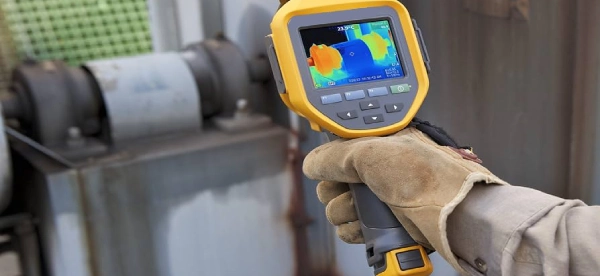
Thermal imaging cameras detect infrared radiation emitted by equipment, revealing temperature variations invisible to the naked eye. These thermal anomalies often indicate developing issues such as electrical resistance, mechanical friction, or insulation breakdown. By implementing routine thermographic inspections as part of comprehensive instrumentation services, maintenance teams can identify problems during their early stages when repairs are less costly and disruptive.
Unlike traditional reactive maintenance approaches, thermal imaging enables condition-based monitoring that reduces unplanned downtime by up to 50%. This non-invasive diagnostic method allows technicians to scan operational equipment safely from a distance, eliminating the need for shutdowns during inspection cycles. When integrated with broader process automation systems and regular calibration services, thermal inspections become part of a holistic maintenance strategy.
Critical Applications Across Industrial Operations
Electrical System Monitoring
Electrical failures account for approximately 30% of unplanned industrial outages. Thermal imaging inspections identify overheating components in switchgear, transformers, circuit breakers, and motor control centers before catastrophic failure occurs. Hot spots indicating loose connections, overloaded circuits, or degraded insulation can be detected months before equipment malfunction, preventing fire hazards and production interruptions. This diagnostic approach complements electrical safety solutions and proper earthing systems to create comprehensive protection strategies.
Mechanical Equipment Assessment
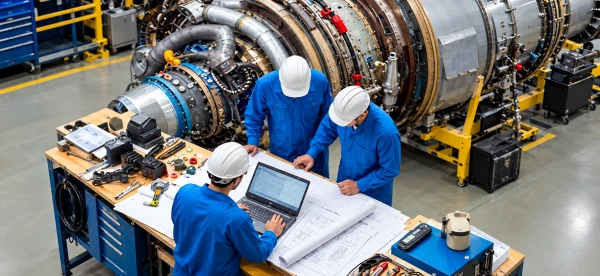
Bearing failures, misalignment, and lubrication deficiencies generate excessive heat long before visible symptoms appear. Infrared thermography detects these thermal signatures in motors, pumps, compressors, and gearboxes, enabling targeted maintenance interventions. This precision reduces unnecessary preventive maintenance while ensuring critical components receive attention when needed. Combined with vibration analysis services, thermal imaging provides a complete picture of mechanical equipment health.
Process Optimization and Environmental Compliance

Beyond failure prevention, thermal imaging technology optimizes energy efficiency by identifying heat loss in insulation, steam systems, and HVAC equipment. These insights support sustainability initiatives while reducing operational costs through improved thermal management. For industries managing water treatment plants or environmental monitoring systems, thermal inspections complement other process instrumentation to ensure optimal system performance and regulatory compliance.
ROI and Business Impact
Organizations implementing comprehensive thermal inspection programs typically achieve 10:1 return on investment within the first year. The cost-benefit equation includes avoided equipment replacement expenses, extended asset lifecycles, reduced emergency repair costs, and eliminated production losses from unexpected failures.
Predictive maintenance solutions powered by thermal imaging also improve workplace safety by identifying potential electrical hazards and equipment malfunctions before they endanger personnel. This proactive risk mitigation supports compliance with occupational safety regulations while protecting your workforce. When integrated with industrial safety systems including safety switches, interlocks, and machine guarding solutions, thermal inspections contribute to comprehensive facility protection.
Implementing an Effective Thermal Imaging Strategy
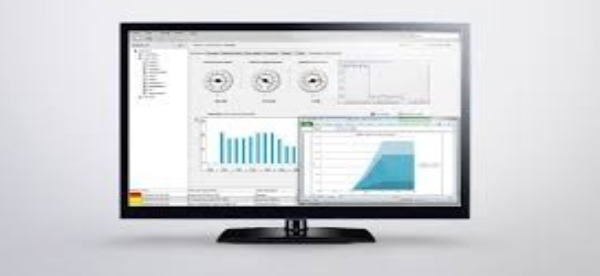
Successful deployment requires establishing baseline thermal profiles for critical assets, scheduling regular inspection intervals based on equipment criticality, and ensuring qualified technicians interpret results accurately. Integration with automation systems enables trend analysis and data-driven decision-making.
For industries operating across cement plants, power generation facilities, steel manufacturing, mining operations, and food processing units, thermal imaging serves as a cornerstone of modern maintenance strategies. When combined with comprehensive process instrumentation, flow meter calibration, and system upgrades, it delivers measurable improvements in equipment reliability and operational efficiency.
Moving Forward with Predictive Maintenance
As industrial operations become increasingly complex and competitive, the cost of reactive maintenance continues to climb. Thermal imaging technology represents a proven investment in asset reliability, operational safety, and long-term cost reduction. By detecting problems before they cause failures, organizations protect their production schedules, extend equipment lifecycles, and maintain competitive advantages.
Whether you’re managing critical infrastructure in water supply schemes, optimizing manufacturing processes, or maintaining heavy industrial equipment, incorporating thermal inspections into your maintenance protocols delivers tangible returns. The question isn’t whether to implement predictive maintenance technologies—it’s how quickly you can integrate them to protect your operations from costly unplanned downtime.
Ready to enhance your maintenance strategy? Connect with process automation and instrumentation specialists who understand your industry’s unique challenges. Expert guidance on implementing comprehensive predictive maintenance programs—including thermal imaging, vibration analysis, and condition monitoring—can help you develop a customized approach that maximizes equipment reliability while minimizing operational risks.
Schedule a consultation with our instrumentation specialists to assess your facility’s predictive maintenance needs.