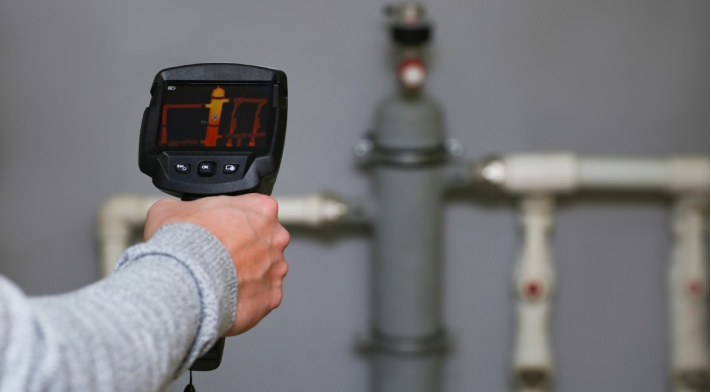
Industrial gas leaks create severe safety challenges—fire risks, hazardous exposure, and potential loss of life. Implementing effective gas detection equipment safeguards workers while meeting compliance standards. Fixed, portable & IR detection systems
Core Gas Detection Technologies Explained


Electrochemical Sensing Systems
Electrochemical technology utilizes chemical reactions to identify toxic substances like carbon monoxide, hydrogen sulfide, ammonia, and chlorine. These instruments deliver precise measurements at low concentration levels, proving particularly valuable for monitoring enclosed areas and detecting hazardous chemicals in manufacturing and treatment facilities.
Catalytic Combustion Sensors
Catalytic bead instruments identify flammable substances by quantifying thermal energy produced during oxidation on heated catalyst elements. These devices effectively recognize methane, propane, and similar hydrocarbons at Lower Explosive Limit concentrations, offering economical combustible vapor monitoring for diverse manufacturing environments.
Infrared Detection Methods
Infrared instruments quantify gas presence by evaluating absorption patterns within specific light wavelengths. IR technology performs exceptionally well in challenging conditions involving particulates or mechanical movement, demands limited upkeep, and delivers consistent long-term performance—essential for uninterrupted facility surveillance.
Comprehensive Product Solutions
Permanently Installed Monitoring Equipment
Stationary gas sensors deliver continuous round-the-clock surveillance at designated facility zones. Sharp Control supplies industrial monitoring equipment featuring diverse sensing methods with capabilities including:
- Measurement ranges spanning parts-per-million to explosive percentage thresholds
- Weather-resistant IP65 construction suitable for demanding conditions
- Industry-standard 4-20mA signals for system connectivity
- Intelligent diagnostics enabling preventive upkeep scheduling
Centralized Control Units consolidate information from various sensor positions, presenting live concentration data with integrated relay mechanisms that automatically activate exhaust systems, warning signals, or protective shutdowns.
Sharp Control’s programmable logic controller and supervisory control systems connect gas monitoring with facility management infrastructure, establishing synchronized plant-wide protective measures.
Personal Safety Monitoring Devices
Individual protection instruments safeguard workers during enclosed area entry, equipment servicing, and zones with periodic risks. Industrial-quality portable analyzers concurrently identify flammable vapors, oxygen reduction, carbon monoxide, and hydrogen sulfide, incorporating:
- Moisture-resistant durable construction
- Live digital readouts with multiple warning mechanisms
- Information recording for compliance verification
- Extended battery operation exceeding twelve hours
Atmospheric Quality Surveillance Systems
Sharp Control’s atmospheric monitoring collection encompasses:
Continuous Exhaust Monitoring Platforms: Live analysis of discharge gases required for compliance documentation in power stations, cement operations, and chemical processors
Combustion Gas Analyzers: Quantify sulfur dioxide, nitrogen oxides, carbon species, and oxygen in exhaust streams for efficiency optimization and regulatory adherence
Wastewater Quality Monitoring: Thorough liquid analysis for treatment operations
Essential Selection Criteria for Detection Equipment
Determining Hazardous Substances

Various sectors encounter specific vapor risks:
| Petroleum/Natural Gas Operations | Methane, propane, butane, sour gas components |
|---|---|
| Chemical Production | Chlorine, ammonia, sulfur compounds, volatile organics |
| Metal Processing | Carbon monoxide, hydrogen, airborne combustibles |
| Sanitation Treatment | Sewer gas, methane, ammonia |
| Drug Manufacturing | Organic solvents, sterilant gases |
Sharp Control’s quarter-century instrumentation background enables precise risk evaluation across manufacturing sectors.
Operating Environment Considerations
| Thermal Conditions | Infrared instruments operate across broader temperature spans |
|---|---|
| Moisture Levels | IR methods outperform electrochemical alternatives in humid settings |
Control System Connectivity
Sharp Control specializes in programmable automation for water and wastewater facilities, enabling detection equipment connection with:
- Facility management platforms for automatic exhaust activation
- Alert networks for position specific notifications
- Manufacturing control systems for protective shutdowns
- Information archiving for regulatory verification
Sector-Specific Implementation
Petroleum Industry Requirements
Processing facilities demand comprehensive approaches: stationary instruments at vital machinery, wide-coverage infrared systems for storage zones, and individual monitors for maintenance workers.
Chemical Facility Surveillance
Chemical operations require extensive toxic vapor monitoring. Sharp Control delivers process measurement equipment for flow, pressure, level, and temperature—unified with gas surveillance for total manufacturing security.
Wastewater Facility Protection
Municipal and commercial operations encounter serious dangers from sewer gas, methane, and oxygen reduction. Sharp Control provides automation platforms for treatment facilities incorporating gas safety surveillance as fundamental infrastructure.
Heavy Industry Applications
| Cement Operations | Carbon monoxide identification in kilns, airborne combustible monitoring |
|---|---|
| Steel Production | Hydrogen and carbon monoxide in furnaces, enclosed space surveillance |
| Energy Generation | Combustion gas evaluation for regulatory compliance |
Installation Guidelines
Strategic Equipment Positioning
| Buoyant Gases (methane, hydrogen) | Install overhead |
|---|---|
| Dense Gases (propane, sour gas) | Position near ground level |
| Adjacent to Sources | Locate at pumps, connections, joints |
| Airflow Patterns | Factor in ventilation characteristics |
Service Requirements
| Electrochemical Units | Replace biannually; verify quarterly |
|---|---|
| Catalytic Units | Verify twice yearly |
| Infrared Units | Verify annually; five-plus year operational life |
Sharp Control delivers post-installation technical assistance with required equipment and replacement components.
Enhanced Capabilities and Support

Infrared Imaging for Equipment Health
Sharp Control provides infrared imaging analysis complementing gas surveillance, revealing equipment degradation before critical releases happen.
Manufacturing Measurement Integration
Sharp Control supplies field measurement devices for flow, pressure, level, temperature, and material weighing—establishing thorough security networks when unified with gas surveillance equipment.
Workplace Protection Products
Beyond gas surveillance, Sharp Control furnishes protective switches, electromagnetic locks, emergency controls, security detectors, and protective flooring for comprehensive workplace security.
Meeting Regulatory Standards
Gas surveillance equipment must fulfill occupational health regulations for exposure thresholds, environmental agency mandates for discharge monitoring, fire safety organization guidelines for hazardous zone classification, and regional pollution authority emission requirements.
Common Questions Answered
Which detector suits petroleum facilities best?
Comprehensive coverage: stationary sensors for ongoing surveillance, wide-range IR instruments for broad protection, and individual monitors for worker security.
What verification frequency is required?
Electrochemical instruments quarterly, catalytic instruments semi-annually, infrared instruments annually. Adhere to manufacturer specifications and regulatory mandates.
Does detection equipment connect with current automation?
Affirmative. Contemporary instruments incorporate industry-standard communication protocols enabling connection with programmable controllers, supervisory systems, and facility management networks.
Final Thoughts
Choosing suitable gas monitoring equipment demands thorough evaluation of vapor dangers, environmental factors, and operational requirements. Sharp Control Equipments delivers validated detection solutions with unified atmospheric monitoring, manufacturing measurement, and automation—establishing comprehensive security networks.
Sharp Control supplies appropriate gas surveillance solutions protecting your most critical resources: workforce and production capabilities.
About the Author

Atul M. Bhaiyya, Managing Director of Sharp Control
Atul M. Bhaiyya is a seasoned leader with deep expertise in industrial instrumentation, automation, and safety solutions. With decades of experience across sectors like cement, power, chemicals, and water management, he specializes in delivering reliable process automation and advanced monitoring systems. His focus on innovation, precision, and safety continues to guide industries toward smarter and more secure operations.