
The water treatment industry faces mounting pressure to deliver superior quality while managing operational costs and environmental compliance. Traditional manual processes, while reliable, struggle to meet the demands of modern facilities that require real-time responsiveness and precision. Automation has emerged as the cornerstone technology transforming how treatment plants operate, bringing measurable improvements across operational efficiency, water quality, and cost management.
The Business Case for Water Treatment Automation

Manual monitoring and control in water treatment plants introduces inherent limitations. Operators can only sample and adjust parameters periodically, creating gaps in process visibility. This reactive approach often results in over-treatment, chemical waste, and inconsistent output quality. The economic impact extends beyond immediate operational costs to include regulatory penalties, equipment wear, and energy inefficiency.
Automated systems fundamentally change this dynamic by providing continuous monitoring and instantaneous process adjustments. PLC-SCADA-based automation for water treatment plants delivers comprehensive monitoring and control of raw water and treated water flow, level, and quality parameters. This continuous oversight eliminates blind spots and enables data-driven decision-making that manual systems cannot match.
Core Components of Modern Water Treatment Automation
Real-Time Monitoring and Control Systems
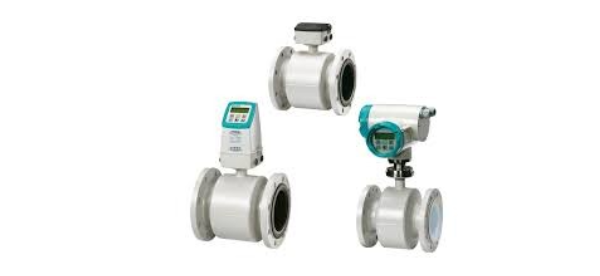
The foundation of effective automation lies in accurate, continuous measurement. Electromagnetic and ultrasonic flowmeters track water movement through every stage of treatment with precision that manual measurement cannot replicate. Level monitoring systems using ultrasonic or radar sensors provide non-contact measurement for reservoirs, dams, and rivers, ensuring operators have complete visibility into system hydraulics.
Quality parameters demand equally rigorous monitoring. Online analysers continuously measure pH, dissolved oxygen, turbidity, conductivity, and residual chlorine levels. These measurements feed directly into control systems that adjust chemical dosing, aeration rates, and filtration cycles in real-time, maintaining optimal treatment conditions without human intervention.
Automated Process Control
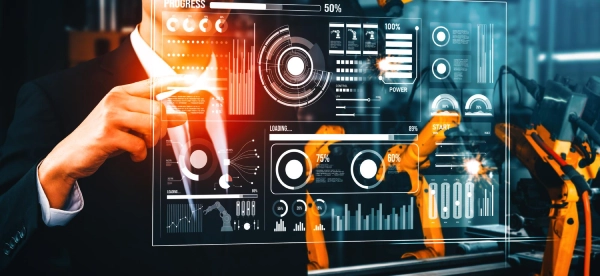
Filter bed automation represents a significant advancement in treatment efficiency. Systems automatically manage backwash cycles based on differential pressure readings and flow rates, optimizing filter performance while minimizing water waste. Clarifier automation controls sludge removal and chemical addition with precision timing that reduces reagent consumption and improves settling efficiency.
Pump automation extends beyond simple level-based start/stop control. Advanced systems integrate pressure monitoring, flow control, and variable frequency drives to optimize energy consumption. Intake well and lift station automation manages pumping operations based on level monitoring with flow and pressure tracking at discharge points, reducing energy costs while maintaining required hydraulic performance.
Quantifiable Benefits Across Operations
Operational Efficiency Gains
Automation eliminates the time lag between parameter deviation and corrective action. When pH drifts outside acceptable ranges, automated dosing systems respond within seconds, not the minutes or hours required for manual intervention. This immediate response prevents cascade failures where one parameter deviation triggers problems throughout the treatment process.
Process optimization through automation delivers consistent results that manual control cannot sustain. Automated systems maintain setpoints with precision, reducing the variability that leads to off-spec water production and unnecessary reprocessing. This consistency translates directly to higher throughput and reduced operational costs.
Quality Assurance and Compliance
Regulatory compliance in water treatment demands meticulous documentation and consistent performance. Automated systems generate comprehensive audit trails, recording every process parameter, adjustment, and alarm event. This documentation satisfies regulatory requirements while providing valuable data for process optimization and troubleshooting.
Quality consistency improves dramatically with automation. Human operators, regardless of skill level, cannot maintain the vigilance and precision that automated systems deliver continuously. The result is treated water that consistently meets or exceeds quality standards with less variation and fewer compliance incidents.
Cost Reduction Mechanisms

Energy represents a substantial portion of water treatment operating costs. Automated systems optimize pump operation, aeration timing, and equipment scheduling to minimize energy consumption. Precise control of chemical dosing eliminates over-treatment, reducing reagent costs while preventing the environmental issues associated with excess chemical use.
Maintenance costs decline through predictive capabilities built into modern automation systems. Continuous monitoring identifies equipment performance degradation before failures occur, enabling scheduled maintenance that costs substantially less than emergency repairs. Equipment longevity improves when systems operate within optimal parameters consistently.
Integration and Scalability Considerations

Effective automation extends beyond individual process control to enterprise-level integration. Wireless data transmission enables remote monitoring from central SCADA systems, connecting multiple facilities and providing centralized oversight. This connectivity supports multi-site operations and enables remote expert support when specialized knowledge is required.
Modern automation architectures accommodate facility expansion and process modifications without wholesale system replacement. Modular designs allow incremental improvements, protecting capital investments while enabling continuous advancement as technologies evolve and operational requirements change.
Implementation Pathway
Successful automation implementation begins with comprehensive assessment of current processes, identifying bottlenecks, inefficiencies, and quality inconsistencies. This assessment informs system design that addresses specific operational challenges rather than applying generic solutions.
Phased deployment reduces implementation risk and allows operational staff to develop expertise progressively. Starting with critical control loops establishes foundation capabilities while demonstrating value that builds organizational support for expanded automation scope.
Conclusion
Water treatment automation delivers substantial, measurable improvements in operational efficiency, water quality, and cost management. The technology has matured beyond experimental status to become essential infrastructure for competitive, compliant facility operation. Organizations that embrace comprehensive automation position themselves to meet increasing demands for water quality, environmental stewardship, and operational efficiency that define modern utility management.
The question facing facility managers is not whether to automate, but how quickly and comprehensively to implement systems that deliver proven returns on investment. As regulatory requirements tighten and operational margins compress, automated water treatment transitions from competitive advantage to operational necessity.
Ready to optimize your water treatment operations? Assess your current processes and identify automation opportunities that can deliver immediate operational improvements. Connect with experienced automation specialists to evaluate how integrated monitoring and control systems can address your facility’s specific challenges. Visit sharpcontrol.in to explore automation solutions tailored for water treatment applications, or reach out to discuss your operational requirements and implementation roadmap.